


A well-structured tax planning proposal can save businesses thousands of dollars annually while reducing compliance risks. The difference between amateur and professional proposals often determines client outcomes.
At Clear View Business Solutions, we’ve seen how strategic tax planning transforms financial results. This guide covers the essential elements that make proposals both compelling and effective.
Every effective tax planning proposal starts with a thorough analysis of the client’s complete financial picture. Tax professionals examine three years of tax returns, current year income projections, and all investment accounts to identify patterns and opportunities. This assessment must include cash flow analysis, debt obligations, and upcoming major financial events (like equipment purchases or business expansions).
The proposal’s core value lies in specific, actionable tax strategies tailored to each client’s situation. For 2024, businesses can take advantage of equipment purchase deductions, while the bonus depreciation rate drops to 60%. Tax professionals prioritize strategies with the highest impact-to-effort ratio, such as retirement plan contributions that can reduce taxable income significantly for business owners. The proposal should quantify potential savings for each recommendation and show exactly how much the client will save through strategic income and expense timing.
Tax planning effectiveness depends entirely on proper execution timing. The proposal must include specific deadlines for each action item, considering quarterly estimated tax payments and year-end planning windows. December 31st serves as the hard deadline for most tax strategies, but retirement contributions can extend until the tax filing deadline (typically April 15th).

Tax professionals structure implementation in phases: immediate actions for current year benefits, quarterly reviews for ongoing strategies, and annual assessments for long-term planning adjustments. Each recommendation includes responsible parties, required documentation, and expected completion dates to maintain accountability.
The foundation elements above create the framework, but successful proposals require meticulous attention to documentation and presentation methods that clients can easily understand and act upon.
Tax planning proposals fail when professionals build them on incomplete information. We require clients to provide three years of complete tax returns, current year profit and loss statements, balance sheets, and all investment account statements before we start any proposal development. Missing documentation leads to missed opportunities and incorrect recommendations that can cost clients thousands in potential savings.

Request bank statements for all business and personal accounts, retirement plan statements, and documentation of any major transactions planned for the current year. Property records, insurance policies, and existing legal agreements also provide context for tax planning strategies. This comprehensive approach prevents the embarrassing situation where you recommend strategies that conflict with existing client obligations or miss obvious optimization opportunities.
Modern tax planning software eliminates guesswork and dramatically reduces proposal development time. Professional tax planning tools like Drake Tax, ProConnect Tax, or CCH Axcess provide scenario modeling that shows exact tax impacts of different strategies. These platforms calculate potential savings from retirement contributions, timing of income recognition, and equipment purchases with mathematical precision that manual calculations cannot match.
Integration between tax software and client management systems streamlines the entire proposal process. QuickBooks integration automatically pulls financial data, while proposal management platforms like Ignition reduce proposal creation time through automated workflows. Digital signing capabilities and automated payment collection features built into these platforms eliminate administrative delays that traditionally slow down implementation.
The technology investment pays for itself through increased efficiency and reduced errors that could expose both the firm and client to compliance risks. However, even the most sophisticated software cannot compensate for poor proposal structure and presentation methods that confuse clients rather than guide them toward action.
Tax planning proposals frequently collapse when professionals focus exclusively on federal regulations while state and local tax implications destroy potential savings. California’s top income tax rate means a Roth conversion that saves federal taxes could cost clients thousands in state taxes. New York’s estate tax threshold of $6.94 million differs dramatically from the federal $13.61 million exemption and requires entirely different approaches.
Texas businesses enjoy zero state income tax, which makes different strategies optimal compared to Illinois businesses that face 4.95% corporate rates. Professionals who ignore these variations create proposals that backfire spectacularly when clients receive unexpected state tax bills.
Tax professionals who ignore pending legislation create proposals that become worthless overnight. The Tax Cuts and Jobs Act provisions expire after 2025, which will revert individual tax rates to higher levels and eliminate the qualified business income deduction. The Organization for Business and Budget Balance Act introduces new corporate tax structures that start in 2026 and require immediate adjustments for businesses.
Smart professionals build flexibility into proposals through multi-year scenarios that account for tax bracket changes and deduction limits. Static proposals that assume current law will continue indefinitely set clients up for failure when regulations shift.
Proposals fail when they ignore client personality and financial capacity. Conservative clients reject aggressive tax strategies regardless of potential savings, while risk-tolerant entrepreneurs embrace complex structures that minimize taxes. A manufacturing company with steady cash flow can handle different timing strategies than a seasonal retail business with unpredictable income.
Age matters tremendously – business owners who approach retirement need different approaches than 35-year-old entrepreneurs who build wealth. Income volatility determines which strategies work (clients with fluctuating earnings cannot commit to fixed contribution schedules that work perfectly for steady salary earners). Professionals who recommend one-size-fits-all solutions watch their proposals get rejected or create client dissatisfaction when implementation becomes impossible.
Effective tax planning proposals require thorough financial analysis, precise strategy recommendations, and clear implementation timelines. The difference between successful and failed proposals lies in comprehensive documentation, technology integration, and avoidance of common pitfalls like state tax oversights and risk tolerance mismatches. Professional tax services maximize client benefits through systematic approaches that consider both current regulations and future law changes.
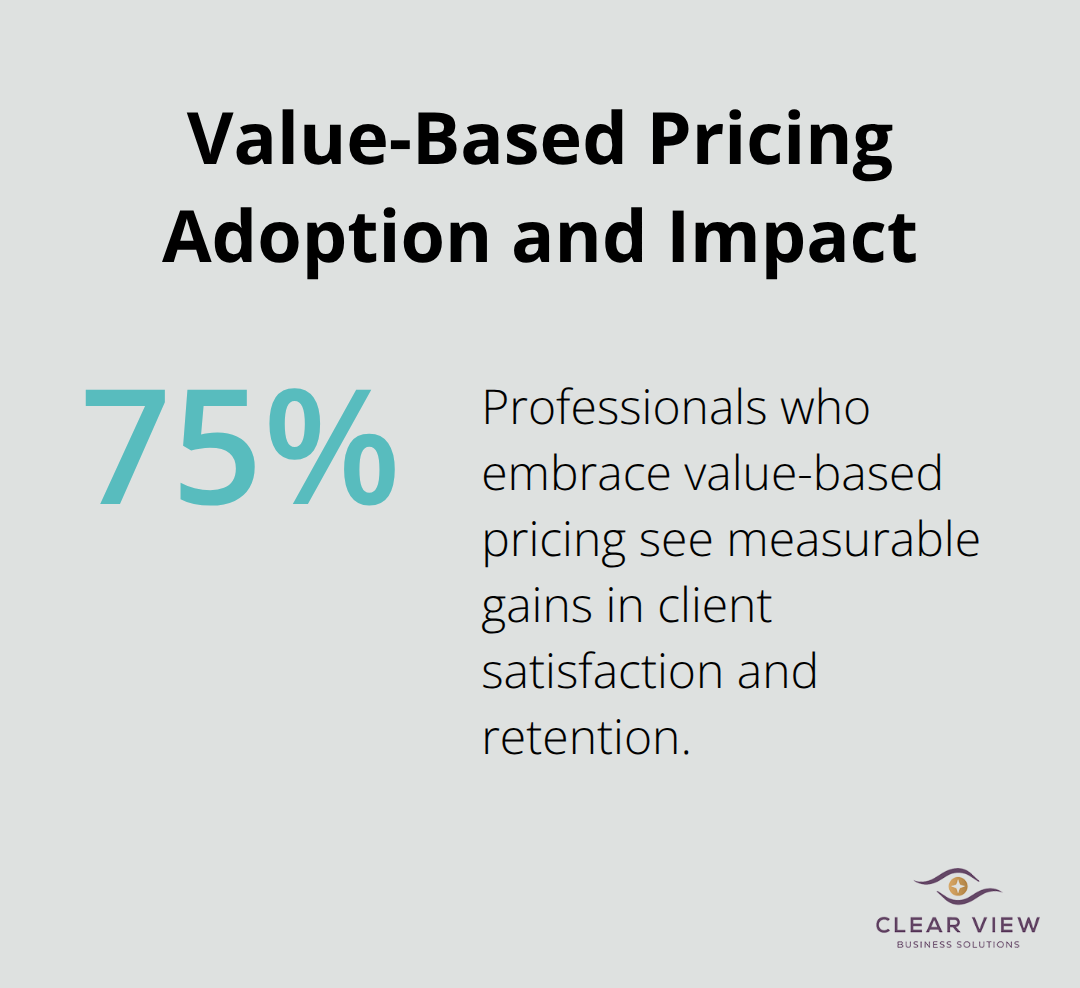
Tax professionals who report strong client demand for advisory services understand that value-based pricing reflects the substantial savings these proposals generate. The 75% of professionals who embrace this approach see measurable improvements in client satisfaction and retention rates.
Modern tax planning proposal development transforms complex regulations into actionable strategies that deliver concrete results.
Your next step involves partnership with experienced professionals who understand the complexities of modern tax planning. At Clear View Business Solutions, we specialize in comprehensive tax planning for individuals and small businesses in Tucson. Our approach combines strategic advisory services with practical implementation support that transforms tax planning challenges into opportunities for financial optimization.
At Clear View Business Solutions, we know you want your business to prosper without having to worry about whether you are paying more in taxes than you should or whether your business is set up correctly. The problem is it's hard to find a trusted advisor who can translate financial jargon to layman's terms and who can actually help you plan for better results.
We believe it doesn't have to be this way! No business owner should settle for working with a CPA firm that falls short of understanding what you want to achieve and how to help you get there.
Northwest Location:
7530 N. La Cholla Blvd., Tucson, AZ 85741
Central Location:
2929 N Campbell Avenue, Tucson, AZ 85719
© 2025 Clear View Business Solutions. All Rights Reserved.
At Clear View Business Solutions, we know you want your business to prosper without having to worry about whether you are paying more in taxes than you should or whether your business is set up correctly. The problem is it's hard to find a trusted advisor who can translate financial jargon to layman's terms and who can actually help you plan for better results.
We believe it doesn't have to be this way! No business owner should settle for working with a CPA firm that falls short of understanding what you want to achieve and how to help you get there. With over 20 years of experience serving hundreds of business owners like you, our team of experts combines financial expertise and proactive communication with our drive to help each client achieve results and have fun along the way.
Here's how we do it:
Discover: We start with a consultation to understand your specific goals, what's holding you back, and what success looks like for you.
Strategize & Optimize: Together, we design a customized strategy that empowers you to progress toward your goals, and we optimize our communication as partners.
Thrive: You enjoy a clear view of your business and your financial prosperity.
Schedule a consultation today, and take the first step toward being able to focus on your core business again without wondering if your numbers are right- or what they mean to your business.
In the meantime, download, "The Business Owner's Essential Guide to Tax Deductions" and make sure you aren't leaving money on the table.